Tomaso Giovanni Albinoni was an Italian Baroque composer. He is almost entirely known today for a piece of music he didn’t actually write: the Adagio in D Minor. The piece was mainly written by Italian musicologist Remo Giazotto, who, after Albinoni’s death, took the small bit that Albinoni wrote and turned it onto the piece that’s so well loved today.
“Giazotto came across the manuscript in a library in Dresden just after World War II. The music consisted of a bass line, a few bars of the violin part, and nothing more. Deciding that what he’d found was a church sonata, Giazotto scored the piece for organ and strings. The result is a work of solemnity and affecting simplicity, which has proved an astonishing durable favorite, almost on par with Vivaldi’s Four Seasons.”—The Rough Guide to Classical Music (2001, 3rd ed.)
Albinoni wrote at least fifty operas, of which twenty-eight were produced in Venice between 1723 and 1740. Albinoni himself claimed 81 operas (naming his second-to-last opera, in the libretto, as his 80th). He is the first Italian known to employ the oboe as a solo instrument in concerti and publish such works, and indeed today he is most noted for his oboe concertos.
His instrumental music greatly attracted the attention of Johann Sebastian Bach, who wrote at least two fugues on Albinoni’s themes (Fugue on a Theme by Albinoni in A, BWV 950, Fugue on a Theme by Albinoni in B minor, BWV951) and frequently used his basses for harmony exercises for his pupils. Part of Albinoni’s work was lost in World War II with the destruction of the Dresden State Library. As a result, little is known of his life and music after the mid-1720s. He lived from June 8, 1671 to January 17, 1751.—Excerpted from Wikipedia
“François Couperin’s pieces for the harpsichord are a landmark in French instrumental music. Couperin extended the virtuosity of the keyboard; established a modern method of fingering; developed the techniques and art of ornamentation.”—David Ewen,The Complete Book of Classical Music
“French Baroque harpsichord maestro.”—Phil Goulding, Classical Music
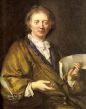
François Couperin was a French Baroque composer, organist and harpsichordist. He was known as Couperin le Grand (“Couperin the Great”) to distinguish him from other members of the musically talented Couperin family.
He introduced Corelli’s trio sonata form to France. Couperin’s grand trio sonata was subtitled Le Parnasse, ou L’apothéose de Corelli (“Parnassus, or the Apotheosis of Corelli””). In it he blended the Italian and French styles of music in a set of pieces which he called Les goûts réunis (“Styles Reunited”).
His most famous book, L’art de toucher le clavecin (“The Art of Harpsichord Playing”, published in 1716), contains suggestions for fingerings, touch, ornamentation and other features of keyboard technique.
Couperin’s four volumes of harpsichord music, published in Paris in 1713, 1717, 1722, and 1730, contain over 230 individual pieces, which can be played on solo harpsichord or performed as small chamber works. These pieces were not grouped into suites, as was the common practice, but ordres, which were Couperin’s own version of suites containing traditional dances as well as descriptive pieces. The first and last pieces in an ordre were of the same tonality, but the middle pieces could be in other closely related tonalities. These volumes were loved by J.S. Bach and, much later, Richard Strauss, as well as Maurice Ravel who memorialized their composer with Le tombeau de Couperin (Couperin’s Memorial).
Many of Couperin’s keyboard pieces have evocative, picturesque titles (such as “The mysterious barricades”) and express a mood through key choices, adventurous harmonies and (resolved) discords. They have been likened to miniature tone poems. These features attracted Richard Strauss, who orchestrated some of them.
Johannes Brahms’s piano music was influenced by the keyboard music of Couperin. The early-music expert Jordi Savall has written that Couperin was the “poet musician par excellence”, who believed in “the ability of Music [with a capital M] to express itself in prose and poetry”, and that “if we enter into the poetry of music we discover that it carries grace that is more beautiful than beauty itself.”
He lived from November 10, 1668, to 11 September 11, 1733.
“François Couperin’s pieces for the harpsichord are a landmark in French instrumental music. Couperin extended the virtuosity of the keyboard; established a modern method of fingering; developed the techniques and art of ornamentation.”—David Ewen,The Complete Book of Classical Music
“French Baroque harpsichord maestro.”—Phil Goulding, Classical Music
François Couperin was a French Baroque composer, organist and harpsichordist. He was known as Couperin le Grand (“Couperin the Great”) to distinguish him from other members of the musically talented Couperin family.
He introduced Corelli’s trio sonata form to France. Couperin’s grand trio sonata was subtitled Le Parnasse, ou L’apothéose de Corelli (“Parnassus, or the Apotheosis of Corelli””). In it he blended the Italian and French styles of music in a set of pieces which he called Les goûts réunis (“Styles Reunited”).
His most famous book, L’art de toucher le clavecin (“The Art of Harpsichord Playing”, published in 1716), contains suggestions for fingerings, touch, ornamentation and other features of keyboard technique.
Couperin’s four volumes of harpsichord music, published in Paris in 1713, 1717, 1722, and 1730, contain over 230 individual pieces, which can be played on solo harpsichord or performed as small chamber works. These pieces were not grouped into suites, as was the common practice, but ordres, which were Couperin’s own version of suites containing traditional dances as well as descriptive pieces. The first and last pieces in an ordre were of the same tonality, but the middle pieces could be in other closely related tonalities. These volumes were loved by J.S. Bach and, much later, Richard Strauss, as well as Maurice Ravel who memorialized their composer with Le tombeau de Couperin (Couperin’s Memorial).
Many of Couperin’s keyboard pieces have evocative, picturesque titles (such as “The mysterious barricades”) and express a mood through key choices, adventurous harmonies and (resolved) discords. They have been likened to miniature tone poems. These features attracted Richard Strauss, who orchestrated some of them.
Johannes Brahms’s piano music was influenced by the keyboard music of Couperin. The early-music expert Jordi Savall has written that Couperin was the “poet musician par excellence”, who believed in “the ability of Music [with a capital M] to express itself in prose and poetry”, and that “if we enter into the poetry of music we discover that it carries grace that is more beautiful than beauty itself.”
“Francois Couperin’s contribution to the literature of baroque keyboard music has long been recognized. Francois Couperin and ‘The Perfection of Music’ updates and expands upon David Tunley’s valuable 1982 BBC Music Guide to the composer, and examines the whole of Couperin’s output including the organ masses, motets and chamber music, in addition to the well-known works for harpsichord. Taking as its focal point Couperin’s concept of the perfection of music through the union of the French and Italian styles, this book takes a more analytical approach to Couperin’s work.”—From Amazon
For all of Couperin’s works, which run in the hundreds of pieces, go here.
For harpsichord
First book (1713) – Ordres 1 to 5
Ordre 1er de clavecin in G minor: Allemande L’Auguste; Première courante; Seconde courante; Sarabande La majestueuse; Gavotte; La Milordine, gigue; Menuet (et double); Les silvains; Les abeilles; La Nanète; Les sentimens, sarabande; La pastorelle; Les nonètes (Les blondes, Les brunes); La bourbonnoise, gavotte; La Manon; L’enchanteresse; La fleurie, ou La tendre Nanette; Les plaisirs de St Germain en Laÿe
Ordre 2ème de clavecin in D major: Allemande La laborieuse; Premiere courante; Seconde courante; Sarabande La prude; L’Antonine; Gavote; Menuet; Canaries (avec double); Passe-pied; Rigaudon; La Charoloise; La Diane; Fanfare pour la suite de la Diane; La Terpsicore; La Florentine; La Garnier; La Babet; Les idées heureuses; La Mimi; La diligente; La flateuse; La voluptueuse; Les papillons
Ordre 3ème de clavecin in C minor: La ténébreuse, allemande; Premiere courante; Seconde courante; La lugubre, sarabande; Gavotte; Menuet; Les pélerines; Les laurentines; L’Espagnolète; Les regrets; Les matelotes provençales; La favorite, chaconne; La lutine
Ordre 4ème de clavecin in F major: La marche des gris-vêtus; Les baccanales; La pateline; Le réveil-matin
Ordre 5ème de clavecin in A major: La logiviére, allemande; Premier courante; Seconde courante; La dangereuse, sarabande; Gigue; La tendre Fanchon; La badine; La bandoline; La Flore; L’Angélique; La Villers; Les vendangeuses; Les agrémens; Les ondes
Second book (1717) – Ordres 6 to 12
Ordre 6ème de clavecin in B flat major: Les moissoneurs; Les langueurs-tendres; Le gazoüillement; La Bersan; Les baricades mistérieuses; Les bergeries, rondeau; La commére; Le moucheron
Ordre 7ème de clavecin in G major: La Ménetou; Les petits âges: La muse naissante, Lenfantine, L’adolescente, Les délices; La Basque; La Chazé; Les amusemens
Ordre 8ème de clavecin in B minor: La Raphaéle; Allemande L’Ausoniéne; Premiere courante; Seconde courante; Sarabande L’unique; Gavotte; Rondeau; Gigue; Passacaille; La Morinéte
Ordre 9ème de clavecin in A major: Allemande à deux clavecins; La rafraîchissante; Les charmes; La Princesse de Sens; L’olimpique; L’insinüante; La séduisante; Le bavolet-flotant; Le petit-deüil, ou Les trois veuves; Menuet
Ordre 10ème de clavecin in D major: La triomphante; La Mézangére; La Gabriéle; La Nointéle; La fringante; L’amazône; Les bagatelles
Ordre 11ème de clavecin in C major: La castelane; L’etincelante, ou La bontems; Les graces-naturéles; La Zénobie; Les fastes de la grande et ancienne Ménestrandise
Ordre 12ème de clavecin in E major: Les juméles; L’intîme, mouvement de courante; La galante; La coribante; La Vauvré; La fileuse; La boulonoise; L’Atalante
Third book (1722)Ordres 13 to 19
Ordre 13ème de clavecin in B minor: Les lis naissans; Les rozeaux; L’engageante; Les folies françoises, ou Les dominos; L’âme-en peine
Ordre 14ème de clavecin in D major: Le rossignol-en-amour; Double du rossignol; La linote-éfarouchée; Les fauvétes plaintives; Le rossignol-vainqueur; La Julliet; Le carillon de Cithére; Le petit-rien
Ordre 15ème de clavecin in A major: La régente, ou La Minerve; Le dodo, ou L’amour au berceau; L’evaporée; Muséte de Choisi; Muséte de Taverni; La douce et piquante; Les vergers fleüris; La Princesse de Chabeüil, ou La muse de Monaco
Ordre 16ème de clavecin in G major: Les graces incomparables, ou La Conti; L’himen-amour; Les vestales; L’aimable Thérèse; Le drôle de corps; La distraite; La Létiville
Ordre 17ème de clavecin in E major: La superbe, ou La Forqueray; Les petits moulins à vent; Les timbres; Courante; Les petites chrémières de Bagnolet
Ordre 18ème de clavecin in F major: Allemande La Verneüil; La Verneüilléte; Sœur Monique; Le turbulent; L’atendrissante; Le tic-toc-choc, ou Les maillotins; Le gaillard-boiteux
Ordre 19ème de clavecin in D major: Les Calotins et les Calotines, ou La piéce à tretous; Les Calotines; L’ingénuë; L’artiste; Les culbutes Ixcxbxnxs; La muse-Palantine; L’enjouée
Fourth book (1730) – Ordres 20 to 27
Ordre 20ème de clavecin in G major: La Princesse Marie; La boufonne; Les chérubins, ou L’aimable Lazure; La Croûilli, ou La Couperinéte; La fine Madelon; La douce Janneton; La Sezile; Les tambourins
Ordre 21ème de clavecin in E minor: La reine des cœurs; La bondissante; La Couperin; La harpée; La petite pince-sans rire
Ordre 22ème de clavecin in D major: Le trophée; Le point du jour, allemande; L’.anguille; Le croc-en-jambe; Menuets croisés; Les tours de passe-passe
Ordre 23ème de clavecin in F major: L.audacieuse; Les tricoteuses; L’arlequine; Les gondoles de Délos; Les satires, chevre-pieds
Ordre 24ème de clavecin in A major: Les vieux seigneurs, sarabande grave; Les jeunes seigneurs; Les dars-homicides; Les guirlandes; Les brinborions; La divine-Babiche, ou Les amours badins; La belle Javotte, autre fois l’infante; L’amphibie, mouvement de passacaille
Ordre 25ème de clavecin in E flat major: La visionnaire; La misterieuse; La Monflambert; La muse victorieuse; Les ombres errantes
Ordre 26ème de clavecin in F sharp minor: La convalescente; Gavote; La Sophie; L’epineuse; La pantomime
Ordre 27ème de clavecin in B minor: L’exquise, allemande; Les pavots; Les chinois; Saillie
“Francois Couperin’s contribution to the literature of baroque keyboard music has long been recognized. Francois Couperin and ‘The Perfection of Music’ updates and expands upon David Tunley’s valuable 1982 BBC Music Guide to the composer, and examines the whole of Couperin’s output including the organ masses, motets and chamber music, in addition to the well-known works for harpsichord. Taking as its focal point Couperin’s concept of the perfection of music through the union of the French and Italian styles, this book takes a more analytical approach to Couperin’s work.”—From Amazon






 , 1 CD
 , 1 CD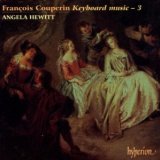
 , 1 CD

 On Baroque
You must be logged in to post a comment.